Must-Read for Investors: 10 Essential Investment Book Skills
From Graham to Munger — a complete map covering value investing, growth stocks, risk thinking, and capital allocation, distilled into directly callable AI Skills
Skills in This Collection
Explore Skills Library
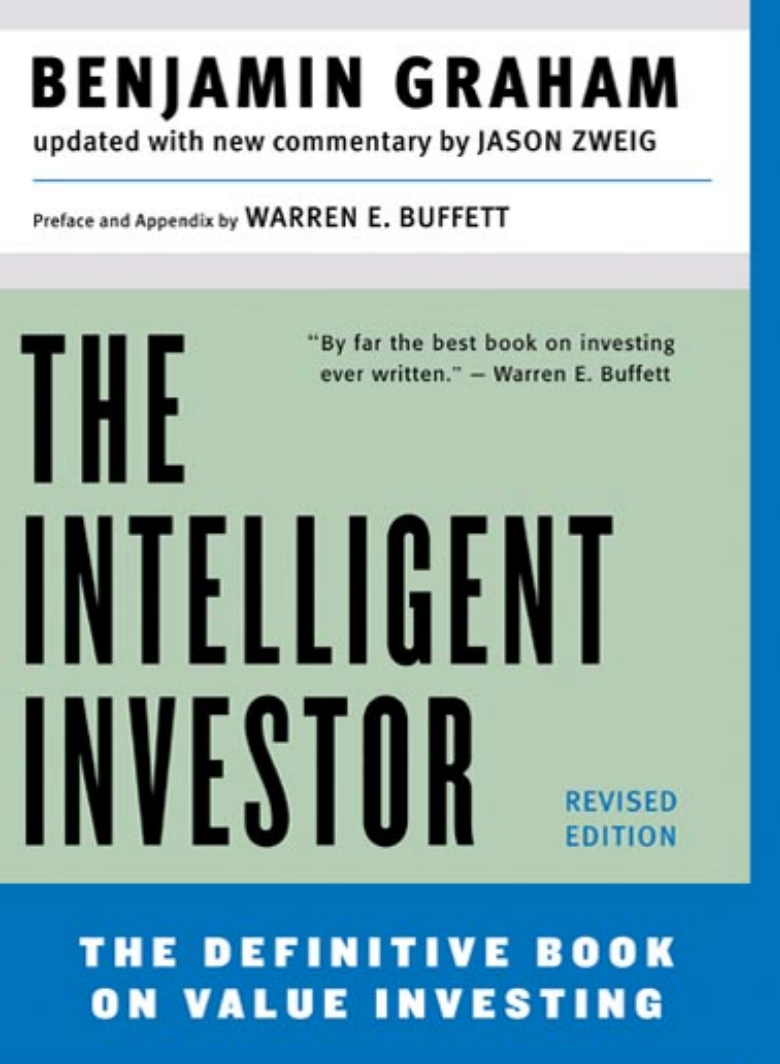
The Intelligent Investor
Use Graham discipline before calling any trade an investment.
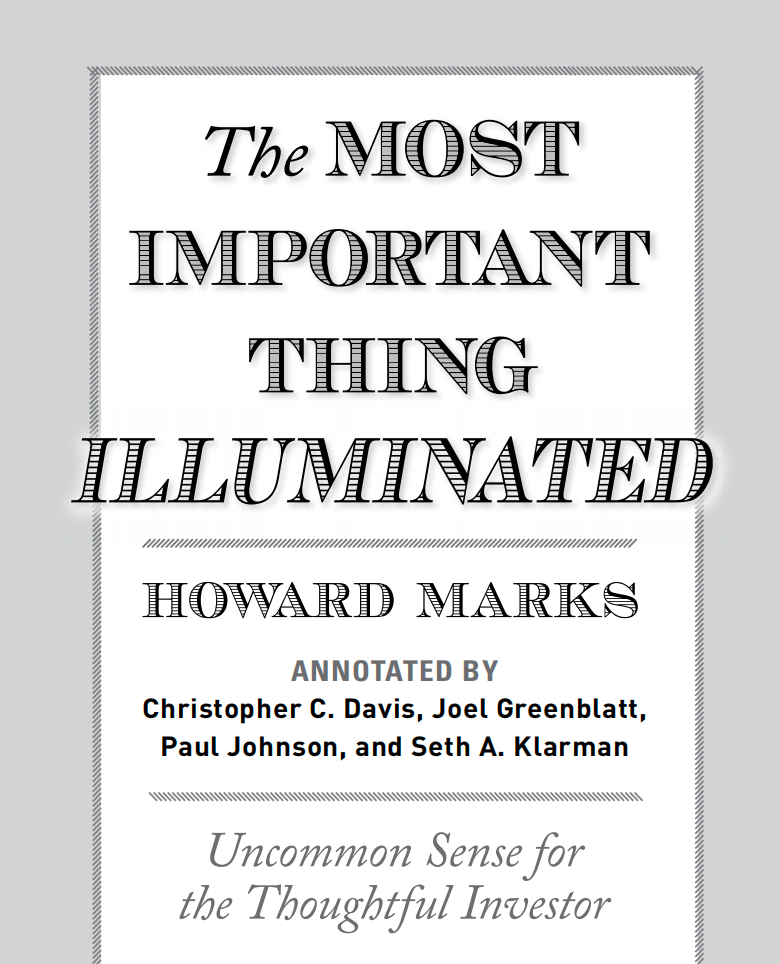
The Most Important Thing
Control risk before reaching for return.
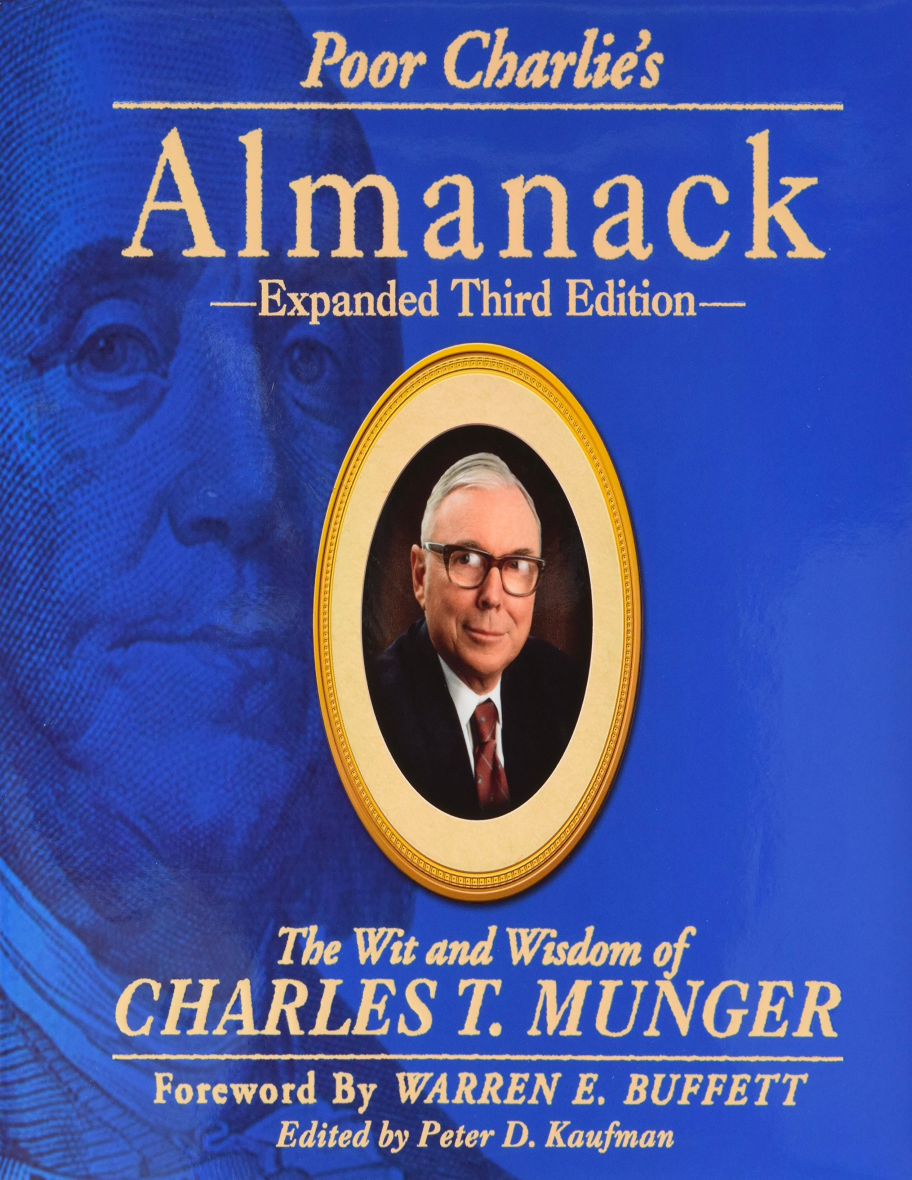
Poor Charlie's Almanack
Use Munger's mental models to see what narrow analysis misses
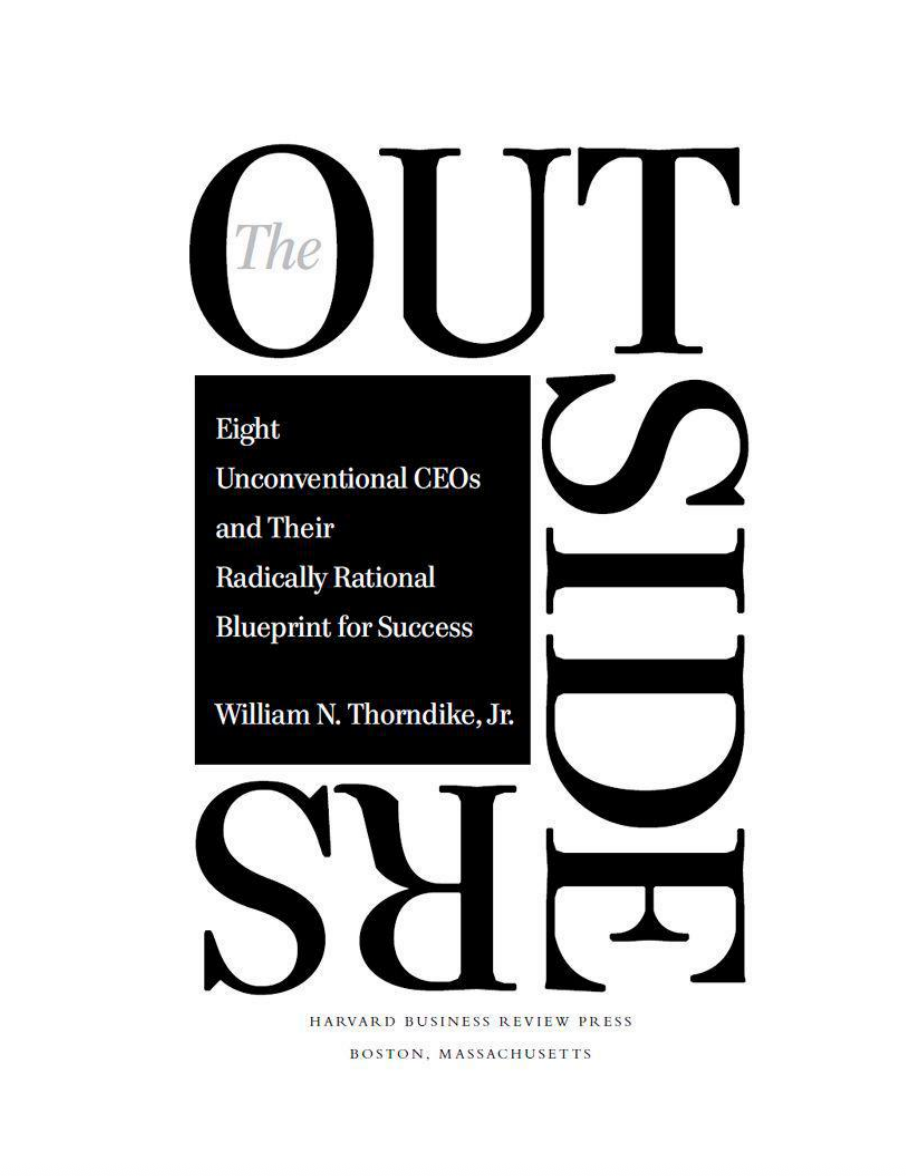
The Outsiders
Judge CEOs by per-share value and capital allocation.

Understanding Financial Statements
Read three financial statements, see through any company's true face
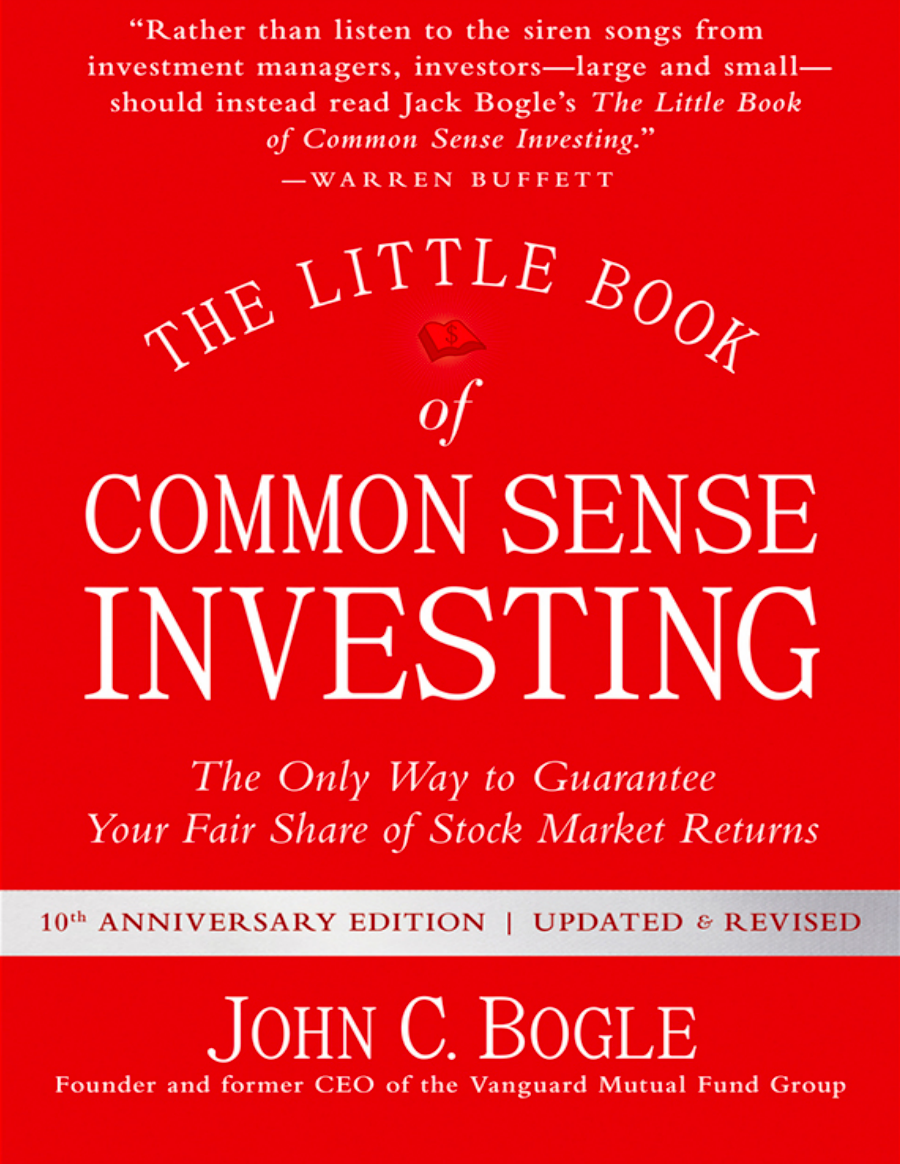
The Little Book of Common Sense Investing
Own the market, minimize costs, and hold patiently.
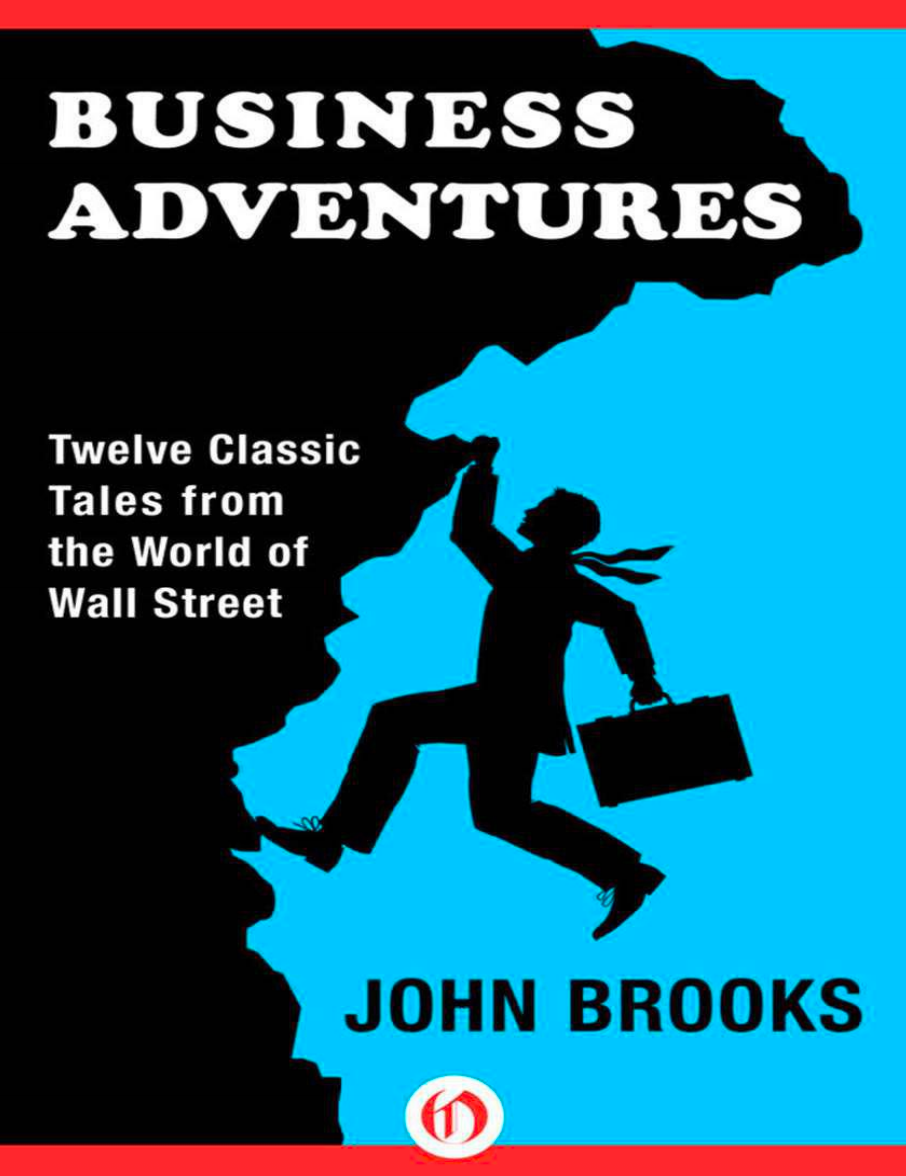
Business Adventures Analysis
Read today's business failures through classic patterns.
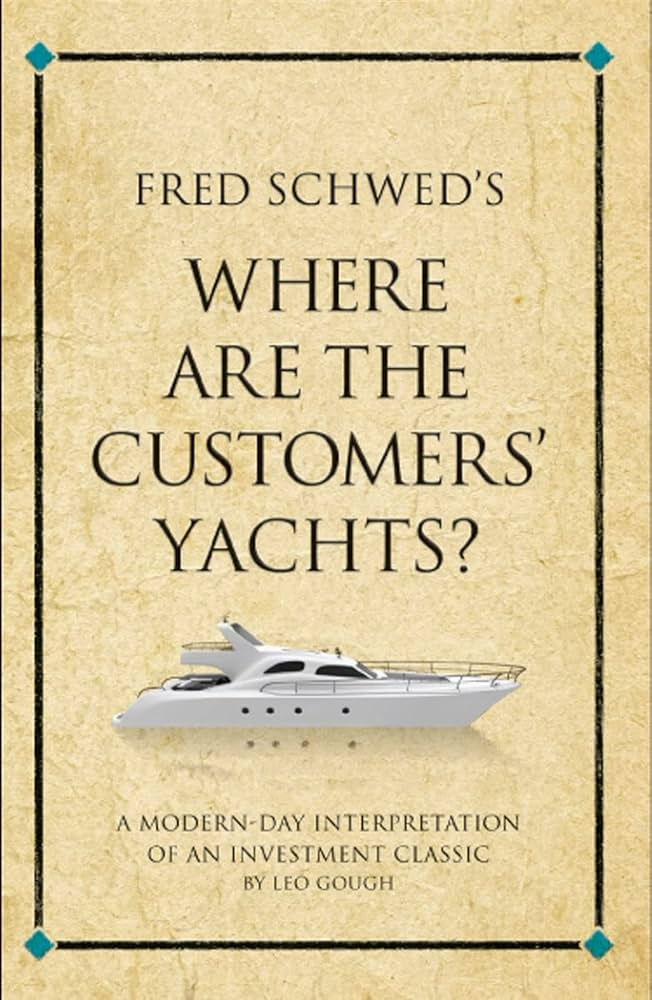
Where Are the Customers' Yachts?: Schwed's Wall Street Conflict Framework
Ask who profits from the advice.
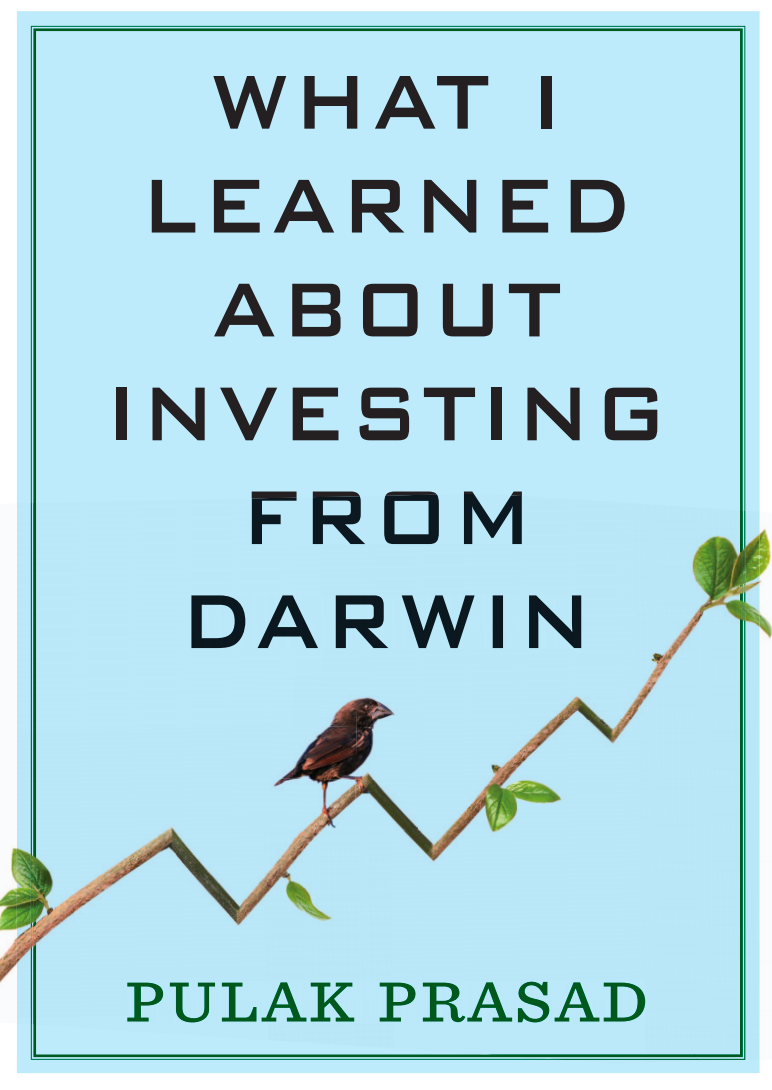
What I Learned About Investing from Darwin
Survive first, buy resilient quality, then be very lazy.
Why These 10?
Investment books are abundant, but truly framework-shifting ones are rare. These 10 were selected from dozens of candidates — each solves a specific cognitive problem, and together they form a complete investment map.
They cover the five dimensions every serious investor needs:
I. The Foundation of Value Investing
The Intelligent Investor is the starting point. Graham doesn't hand you a stock-picking formula — he gives you a set of quantitative guardrails against loss: 7 defensive criteria, margin of safety calculations, and the "Mr. Market" mental model. After reading it, you'll understand: investing is first and foremost a discipline of risk management.
Common Stocks and Uncommon Profits complements Graham's system. Fisher shows that when a company is genuinely excellent, you can relax strict valuation requirements — but identifying "excellent" requires 15 dimensions of scrutiny: moats, R&D capability, and management integrity among them.
II. Risk and Cycle Awareness
The Most Important Thing is the antidote to market euphoria. Howard Marks uses "second-level thinking" to explain why most people are most optimistic exactly when the market is most dangerous: not because they're foolish, but because they never ask "everyone thinks this — so what happens next?"
III. Mental Models and Interdisciplinary Thinking
Poor Charlie's Almanack isn't an investment book — it's a cognitive upgrade manual. Munger's 100 mental models — drawn from physics, psychology, biology, and economics — give you a "multidisciplinary lattice" that lets you see blind spots other investors can't.
IV. Capital Allocation and Business Analysis
The Outsiders answers a neglected question through 8 real CEO case studies: what should a company do with the cash it generates? These 8 outsider CEOs made capital allocation decisions that delivered shareholder returns 20x better than the S&P 500 over the same period.
Financial Statement Analysis (Xiao Xing) is the toolkit for seeing through numbers to a company's true competitive position — from the internal logic of three financial statements to identifying earnings quality traps and cash flow risks.
V. Market Wisdom and Long-Term Perspective
Common Sense on Mutual Funds is Bogle's challenge to the active management industry — using data to show that 99% of active funds underperform their index over time, because costs are an insurmountable drag. Essential baseline thinking for every investor.
Where Are the Customers' Yachts? was written in 1940 and still stings today. Schwed's black humor exposes the financial industry's true incentive structure: a financial advisor's income is unrelated to your returns and highly correlated with your asset size.
Business Adventures (Brooks) shows through 12 business episodes how companies survive and collapse in real-world uncertainty — more honest and narratively compelling than any business school case study.
Investing from Darwin reframes market dynamics through evolutionary theory: adaptation, variation, selection — the logic of markets and species competition is strikingly similar. This book gives you a lens beyond economics.
How to Use These Skills
Every book has been distilled into an installable AI Skill. Once installed, input any stock name, financial data, or investment question in Claude, and receive analysis through that book's framework.
Typical use cases:
- Screen a stock against Graham's 7 defensive criteria
- Assess current market positioning using Marks' cycle framework
- Evaluate a company's earnings quality through financial statement analysis
- Run a multi-model investment decision check using Munger's mental models
This isn't chatting about books — it's using each book's method to analyze the real investment questions you care about.